
Personal Alarm Watch or Pendant: Which Should You Choose?
When choosing a personal alarm watch or pendant, start with where it needs to work and how you will use it. A watch can be a portable GPS alarm, while a pendant can be a simple home button or a portable device. The shape alone does not tell you what the alarm does.
For TASK Connect customers, a useful comparison is a home alarm button worn on the wrist or neck versus the Go Watch GPS personal alarm. Here are the practical differences to discuss before choosing.
Start with home use or use away from home
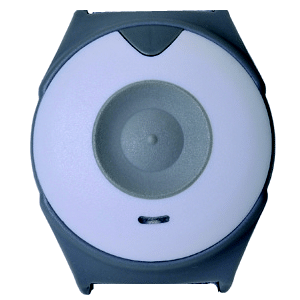
A home pendant communicates with its base unit. That means the wearable button needs to stay within the system's tested range. Wearing the same button on a wristband changes how you wear it, rather than turning it into a portable GPS watch.
A portable GPS alarm is designed to travel with you. If you want an alarm for walks, shopping or visiting friends, check mobile coverage, charging and where communication takes place. TASK Connect's Go Watch is an option to compare for this type of use.
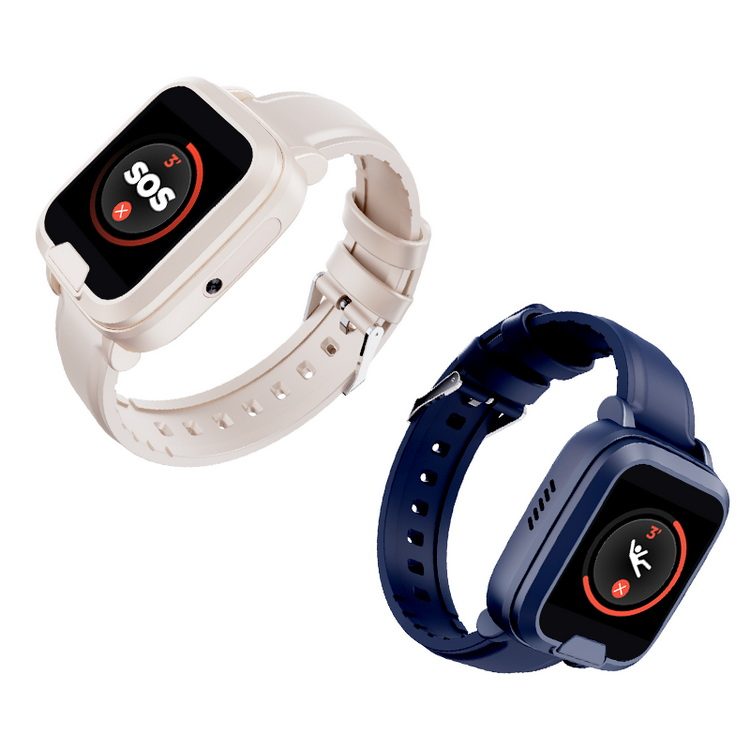
Personal alarm watch or pendant: 5 key differences
| Feature | Home alarm button | Portable GPS alarm watch |
|---|---|---|
| Where it works | Within range of the home base unit. | Away from home where the required mobile connection is available. |
| How it is worn | Depending on the button, on the wrist or around the neck. | On the wrist. |
| Speaking to monitoring | Through the home base unit. | Through the watch, where supported by the product and service. |
| Battery routine | A long-life button battery, with replacement when required. | Regular recharging. |
| Automatic fall detection | Requires a compatible fall detector if needed. | Check whether the chosen model and package include it. |
Which will you actually keep wearing?
Comfort is a daily consideration. Some people already wear a watch and prefer a wrist device. Others find a neck-worn button easier to reach. A wrist device may compete with a familiar watch, while a neck cord needs to feel comfortable with the person's usual clothing.
Ask the wearer to think through getting dressed, washing, resting and sleeping. Can they fasten the strap and find the button? Can they press it with the other hand? A family member's preferred style may differ from the user's, so make the decision together.
If someone is reluctant to wear an alarm, our guide to discussing personal alarms with an older parent may help you start the conversation.
Charging can decide which option is practical
A rechargeable alarm needs an achievable routine. Decide where it will charge, who will notice a low battery and when it can be returned to the wrist. Check the supplier's charging guidance rather than assuming all watches last the same length of time.
Ask what support is available while the watch is off the wrist. Someone who regularly forgets to charge devices may find a home button easier to manage, provided its home coverage meets their needs. A person who goes out independently may place more value on portable support and be happy with regular charging.
Check the connection and range
The digital home alarm uses working broadband. The GSM home alarm uses the mobile network through its base unit. Both are home systems: the GSM connection does not give the pendant independent mobile coverage.
Test home coverage in the rooms and outdoor areas you use. Walls and the property layout can affect wireless range. For a GPS watch, discuss the places you regularly visit and remember that mobile coverage and location accuracy can vary.
Does a watch replace a fall detector?
Only if the particular product and package have suitable fall-detection functionality. A wrist-worn manual alarm is still a manual alarm. TASK Connect also offers the Vibby fall detector for use with a compatible home system.
Automatic detection cannot identify every fall and does not prevent falls. A manual SOS button remains useful for other situations where help is needed. Ask for the instructions for the exact device being supplied.
Choosing a personal alarm watch or pendant for your routine
Write down three things: where you need the alarm, which wearing style you prefer and whether regular charging is realistic. Then check monitoring, fall detection and total costs. This produces a more useful comparison than choosing the most feature-heavy device.
For independent background on different device types and monitoring arrangements, see the NHS guide to personal alarms and telecare.