
Automatic Fall Detector vs Pendant Alarm: What Is the Difference?
In the automatic fall detector vs pendant alarm comparison, the first difference is how help is requested. A manual pendant alarm raises an alert when you press its button. An automatic fall detector is designed to recognise certain falls and raise an alert without that button press. Some fall detectors also include a manual button.
The difference matters if you are worried about a situation where someone could not press for help. It is also important to understand that automatic detection cannot recognise every fall.
What does a standard pendant alarm do?
A manual alarm provides a deliberate way to request assistance. The wearer might press after a fall, when feeling unwell or because they need help for another reason. The device does not need to identify what happened first.
With a home telecare system, the button communicates with the base unit. The connection and monitoring arrangements then determine where the activation goes. A pendant can be worn around the neck or, with suitable accessories, on the wrist. Its wearing position does not itself establish whether it has automatic detection.
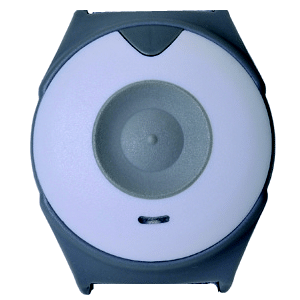
What does automatic fall detection add?
An automatic detector looks for patterns that meet its detection criteria. Where a qualifying event is recognised, it can trigger an alert even if the wearer has not pressed the button. This adds a possible route to assistance when manual activation is difficult.
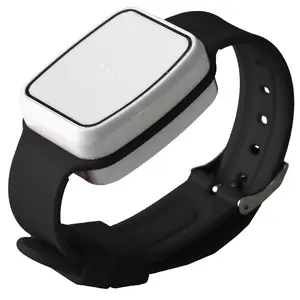
TASK Connect's Vibby fall detector is used with a compatible home telecare system and also provides manual activation. It should be worn and used according to its instructions. It is not a standalone GPS tracker.
Automatic fall detector vs pendant alarm: compare the features
| Situation | Manual pendant | Automatic fall detector |
|---|---|---|
| The wearer needs help and can press | Can raise a manual alert. | Use its manual button where provided. |
| The wearer falls and cannot press | No activation unless the button is pressed. | May raise an automatic alert if the event meets its detection criteria. |
| The wearer feels unwell without falling | Can be pressed to request help. | Automatic fall detection does not cover every reason for needing help; manual activation remains important. |
| Use away from the home base unit | A home pendant must remain within range. | A home detector must remain within range; portable use needs a suitable separate product. |
Will a fall detector detect every fall?
No. A movement may not match the patterns the detector is designed to recognise. A gentle slide or a fall ending against furniture may differ from the movements expected by the device. Correct wearing and setup matter, and unintended activations can also happen.
If you need help and can press the manual button, do so rather than waiting for an automatic alert. Ask the provider how to respond to an unintended activation and how to test the device safely. Follow the instructions; do not stage a fall to try it out.
A fall detector raises alerts. It does not prevent falls, diagnose an injury or replace an assessment of recurring falls by a healthcare professional.
What happens after an alert?
Detection is one part of the arrangement. Confirm who receives the alert, how they communicate with the wearer and who can provide assistance. With TASK Connect's monitored home system, the monitoring team receives the activation and can contact nominated people or arrange appropriate assistance.
Think about where the home base unit will be placed and how someone could enter the property if needed. An alert is not a guarantee of an ambulance dispatch or a particular response time. Accurate contact and access information helps make the response arrangements practical.
Does the person need support outdoors?
For someone who goes out independently, discuss a portable GPS personal alarm rather than assuming a home detector will work on a walk. Check whether automatic fall detection is included in the exact portable package, as well as its charging needs and mobile coverage.
Conversely, someone who mainly wants a simple home alarm may prefer a manual button if they understand and can use it. The choice should reflect the person's routine and preferences, rather than age alone.
Automatic fall detector vs pendant alarm: 6 essential checks
- Can the wearer comfortably find and press the manual button?
- Is automatic detection included, and what are its stated limitations?
- Where does the device work, and how should it be worn?
- Who receives an alert, including overnight?
- What battery replacement or charging routine is needed?
- What extra setup or monthly cost applies?
For a person who already has a TASK Connect system, contact us with the customer number before ordering additional equipment. We can check compatibility and arrange any required programming.
For independent background on different alarms, monitoring systems and home access, see the NHS guide to personal alarms and telecare.