
Choosing personal alarms for elderly people starts with a practical question, whether you are buying for yourself, a parent or a relative: where do you need to be able to call for help? A pendant alarm may suit someone who mainly wants reassurance at home, while a GPS personal alarm can provide support when out and about.
TASK Connect provides 24/7 monitored personal alarms across Northern Ireland. This guide explains the differences between home telecare alarms, personal alarms without a landline, automatic fall detectors and GPS alarms, so you can choose an option that fits everyday life.
Ready to compare the options? Use our Personal Alarm Finder or call 028 2036 0280 for help choosing.

What are personal alarms for elderly people?
A personal alarm lets the wearer request assistance by pressing an emergency button. You may also see it described as an emergency alarm or panic button for elderly people. Home systems usually include a pendant or wrist-worn button that connects wirelessly to a telecare base unit. The base unit then contacts a monitoring centre through its configured broadband or mobile connection.
An elderly personal alarm can be useful for someone who lives alone, has reduced mobility, is concerned about falling or wants an easy way to call for help. The wearer does not need to reach a telephone to activate their alarm button.
Although often described as personal alarms for elderly people, these systems can also support younger adults with disabilities, long-term conditions or other personal safety needs. The right choice depends on the individual and their circumstances.
How does a 24-hour monitored personal alarm work?
A monitored personal alarm connects to a professional response service. It does not depend solely on a family member being free to answer a call.
- Raise the alarm. Press the pendant, wristband or SOS button when help is needed. A suitably configured fall detector can also raise an alert when it detects certain types of falls.
- Connect to monitoring. The system sends the alert through its broadband or mobile connection.
- Speak with an operator. The monitoring team assesses the situation using the communication facilities available through the alarm. With home systems, speech is through the base unit; supported GPS devices have their own microphone and speaker.
- Arrange assistance. Depending on the circumstances, the operator can contact nominated family members, neighbours, keyholders or emergency services.
TASK Connect’s monitoring service operates day and night. Read more about how telecare works and our 24-hour alarm monitoring service.
Our step-by-step telecare guide explains what to check during setup and how to practise an alarm call.
4 types of personal alarms for elderly people
There is no single best personal alarm for everyone. Consider where the person spends time, the connections available at home, how comfortable they are wearing and operating a device, and whether automatic fall detection would be helpful.
For a closer comparison of the connections and features, read our guide to types of personal alarms.
1. Digital personal alarms for the home
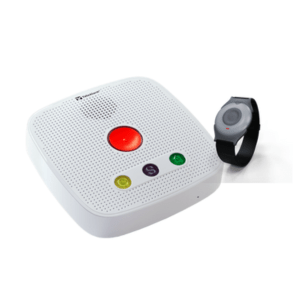
A Digital/IP home alarm connects through a working broadband router. A wearable emergency button communicates with the base unit, giving the wearer a straightforward way to request help around the home and garden within its wireless range.
A pendant alarm for an elderly person who spends most of their time at home can be a practical choice. Check the actual coverage in the rooms and outdoor areas they use: walls, building materials and the position of the base unit affect the range.
Compare the home options on our personal alarms page.
2. Personal alarms without a landline
A GSM personal alarm uses a mobile SIM connection to contact the monitoring centre. TASK Connect’s GSM home alarm uses multi-network connectivity and does not require a household landline or broadband service.
This can suit someone who wants a personal alarm without a landline, including a home where there is no suitable broadband connection. The pendant still communicates with a home base unit, so a GSM home alarm should not be confused with a portable GPS alarm.
Adequate mobile coverage is needed at the installation address. Ask us to discuss the connection requirements before ordering. Learn more about personal alarms with SIM cards.
3. Fall alarms with automatic fall detection

An automatic fall detector adds another way to raise an alert. It is designed to recognise movement associated with certain falls and can request help even when the wearer has not pressed the manual button.
TASK Connect offers the wrist-worn Vibby Fall Detector with a compatible home telecare base unit. It combines automatic fall detection and a manual SOS button, with Digital broadband and GSM connection options available.
No automatic fall detector can identify every fall. The wearer should always press their SOS button when they need assistance and are able to do so. Automatic detection provides additional reassurance, rather than a guarantee that every incident will be recognised.
Explore the Vibby automatic fall detector or compare our fall alarms and fall-detection options.
4. GPS personal alarms for outside the home
A GPS personal alarm can travel with the wearer beyond the range of a home base unit. It combines an SOS button, mobile connectivity and location technology. Available location information can help monitoring operators arrange assistance when an alarm is raised.
TASK Connect’s GPS options include:
- PIP GPS Locator: a compact portable alarm with an SOS button, two-way communication and optional fall-detection features.
- Go Watch: a wristwatch-style GPS personal alarm with two-way speech and optional impact fall detection.
GPS alarms depend on suitable mobile coverage, available location information and a charged battery. Consider whether the wearer can manage regular charging, or whether someone can help with that routine.
Compare GPS personal alarms or view the Go Watch GPS alarm.
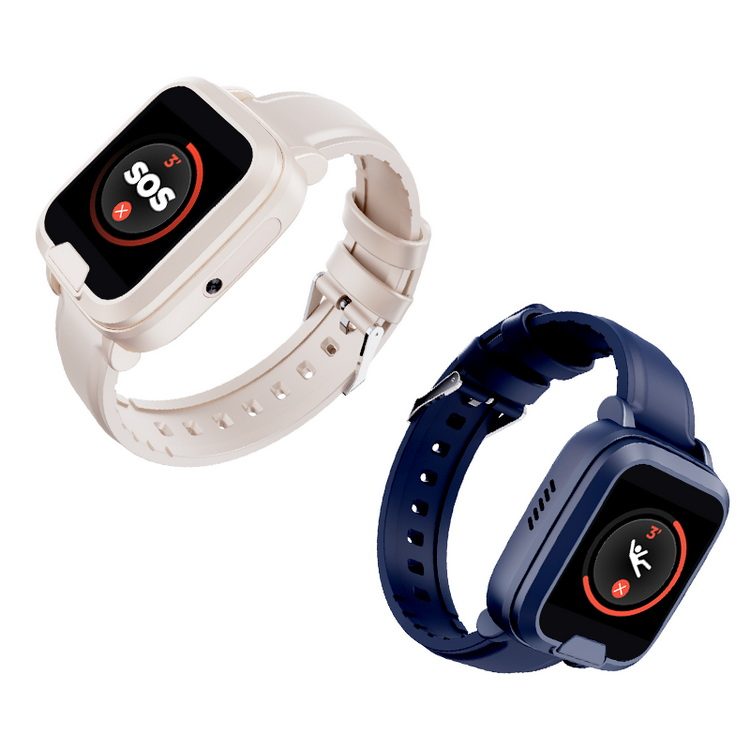
If you are considering location support for a person with memory difficulties, our GPS and dementia guide covers consent, charging and the limits of location information.
Pendant alarm, fall detector or GPS watch: which should you choose?
| Your main requirement | Alarm option to consider |
|---|---|
| Reassurance at home with suitable broadband | Digital personal alarm with pendant or wrist button |
| A home alarm without a landline or broadband | GSM personal alarm, subject to mobile coverage |
| Additional help raising an alert after certain falls at home | Vibby fall detector with Digital or GSM base unit |
| Support when shopping, walking or visiting friends | Portable GPS personal alarm |
| A preference for a watch-style device | Go Watch GPS personal alarm |
| Someone available to respond to alarm calls day and night | A professionally monitored 24/7 service |
Include the person who will wear the alarm in the decision. A device they find comfortable and easy to use is more likely to become part of their daily routine. If they already own a smartwatch, compare a smartwatch with a monitored personal alarm before relying on its emergency features.
How much does a personal alarm cost in Northern Ireland?
The cost depends on the equipment, connection and monitoring package. Compare both the monthly subscription and any initial setup charge. Check whether equipment is rented, which optional features are included and what happens when the subscription ends.
TASK Connect offers monthly monitored home and GPS alarm services. Our monitored subscriptions have a minimum 12-month term; please read the terms and conditions and the details of your chosen package before ordering.
Some customers may qualify for VAT relief on eligible equipment and services, depending on their circumstances. Read our VAT Exemption Guidance for details.
For current monthly prices, setup charges and available options, visit Compare All Personal Alarms. Our product pages show the latest package information.
Personal alarms for elderly people: what to check before buying
Can the wearer operate the button comfortably?
Consider eyesight, hand strength, dexterity and wearing preferences. Decide whether a neck pendant, wrist button or watch is easiest to use. Make sure the wearer knows when and how to call for help.
Will it work where help may be needed?
Check home alarm coverage in bedrooms, bathrooms and the garden. For a GPS alarm, discuss mobile coverage in the places the person regularly visits. Home pendant range and GPS location capability are different features.
What happens during a power cut?
Ask about the alarm’s backup battery and its connection. A battery in a Digital home alarm does not keep the broadband router powered. Mobile-connected systems also depend on network availability. Read our guide to personal alarms during a power cut.
Who will respond to an alarm call?
Discuss the response arrangements and provide up-to-date emergency contact and keyholder details. Think about how someone could access the property if assistance is required.
What maintenance or charging is needed?
Follow the equipment instructions for testing, charging and battery replacement. Check the specific device’s water-resistance guidance before using it in the shower. Ask us about anything that might make the routine difficult for the wearer.
Arranging support for someone returning home? Our hospital discharge alarm checklist brings together connection, contact and access arrangements.
Why choose TASK Connect?
TASK Connect supports individuals and families across Northern Ireland with monitored home alarms, automatic fall-detection options and GPS personal alarms. Our team can help you compare the equipment and choose a connection suitable for your home and daily activities.
Whether you are arranging a pendant alarm for a parent or choosing an SOS device for yourself, our aim is to make the options understandable and provide access to monitoring support when help is needed.
Personal alarms for elderly people: frequently asked questions
What is the best personal alarm for an elderly person living alone?
A monitored home alarm can be a useful starting point. Choose Digital or GSM according to the available connections, and consider whether automatic fall detection is appropriate. Someone who regularly goes out independently may prefer a GPS alarm.
Do personal alarms work without a landline?
Yes. A GSM personal alarm uses mobile connectivity, so it does not need a household landline or broadband connection. Suitable mobile coverage is required.
Can a personal alarm be used in the shower?
Some pendants, fall detectors and GPS devices are designed for shower use. Check the instructions and water-resistance rating for the exact device, including any restrictions on bathing or swimming.
Will a fall detector automatically call for help?
It can raise an alert after detecting movement consistent with certain falls. It cannot detect every fall, so the wearer should press the manual SOS button whenever help is needed and they are able to do so.
Can I use a home pendant alarm away from the house?
A home pendant operates within wireless range of its base unit. For support further from home, consider a GPS personal alarm with its own mobile connection.
Are personal alarms only for elderly people?
No. Adults of different ages may benefit, including people with disabilities, reduced mobility or long-term conditions. Choose according to the person’s needs and the device’s suitability.
Can I get a VAT-exempt personal alarm?
VAT relief may be available to eligible customers on qualifying products and services. Check our VAT Exemption Guidance or contact the team to discuss the declaration process.
Find the right personal alarm with TASK Connect
Start by deciding where you need support, how the alarm will connect and whether you want automatic fall detection. Then compare the devices and costs with the person who will use the alarm.
Find and compare your personal alarm, or call TASK Connect on 028 2036 0280 for help choosing a monitored alarm in Northern Ireland.
More guides to choosing a personal alarm
Explore the questions that matter when choosing a package for yourself or a relative.
- How Much Do Personal Alarms Cost? Monthly Fees and Setup Explained
- Personal Alarm Watch or Pendant: Which Should You Choose?
- Choosing a Personal Alarm for Someone Living Alone
- Automatic Fall Detector or Pendant Alarm: What Is the Difference?
- Personal alarms that contact family: response options
- Personal Alarms With No Monthly Fee: What Should You Check?
For independent background on device types, monitoring and home-access arrangements, read the NHS guide to personal alarms, telecare and key safes.