
Choosing a Personal Alarm for Someone Living Alone
A personal alarm for someone living alone offers a way to request help without reaching a telephone. Choosing one starts with their routine: where they spend time, how they would raise an alert and who could assist afterwards.
Bring the person using the alarm into the decision. The aim is to support their independence with something they understand and feel comfortable wearing.
Map an ordinary day before choosing equipment
Think about mornings, evenings, the garden and trips out. Does the person spend most of their time at home, or do they walk to the shops and visit friends? Would they prefer a neck-worn button, a wrist button or a watch?
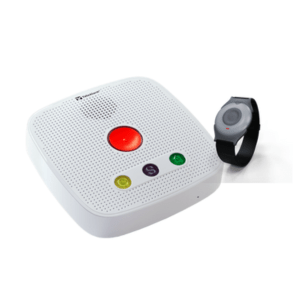
A home pendant relies on a nearby base unit. A portable GPS alarm has different connection and charging needs. Choosing between them becomes easier when you describe actual activities instead of starting with a list of device features.
Decide how help would be requested
A standard personal alarm button requires the user to press it. Ask whether they can find and operate the button comfortably, including while sitting or lying down. Practising helps make the action familiar.
If there is concern about being unable to press after a fall, consider automatic fall detection. It can add another route to an alert, although it cannot detect every fall. A manual button is still needed for situations such as feeling unwell when no fall has occurred.

Check who receives the alarm
Some alarms contact saved family numbers or send notifications. Others connect to professional monitoring. Work out who would answer during the night, while the main contact is at work and when relatives are away.
TASK Connect's monitored alarms connect to a 24-hour monitoring service. Relatives and keyholders can be part of the response arrangements. Keep those details up to date and discuss what each contact can realistically do, including how quickly they could travel to the property.
Match the connection to the home
For a home with working broadband, compare the digital personal alarm. For a home without broadband, ask about the GSM home alarm. A GSM system still needs suitable mobile reception.
Think about power as well as the normal connection. A battery in an alarm base unit does not keep a broadband router powered. Read our power-cut guide and discuss the whole connection before deciding what backup is needed.
Test the places that matter
After setup, follow the supplied testing instructions and check the areas used every day. These might include the bedroom, bathroom, kitchen and a regularly used part of the garden. Do not assume a quoted maximum wireless range will apply through every wall in a particular property.
Check where two-way speech comes from. With a home system, the speaker is in the base unit rather than necessarily in the wearable button. Ask the provider how an activation is handled if the user cannot be heard clearly.
Plan charging, wearing and access
Decide how the alarm fits into getting dressed and washing. Confirm the exact device's water-resistance instructions. If it needs charging, choose a regular routine and consider when it will be off the person.
Also plan how someone could get inside if the user could not open the door. An agreed keyholder or suitable key safe may help, depending on the circumstances. Keep any access information secure and share it only through the provider's agreed process.
Adding sensors to a personal alarm for someone living alone
Some people may benefit from compatible telecare sensors, such as an inactivity sensor or door alert. Start with a clear need: what event should raise an alert, who should receive it and what should they do? More equipment is useful only when those answers make sense.
If memory difficulties affect pressing a button or remembering routines, discuss the available dementia support options. Equipment should be chosen around the individual and their wishes. It is not a substitute for any care or supervision they need.
7 checks for a personal alarm for someone living alone
- The wearer has helped choose a comfortable style.
- The system covers the places where it is needed.
- The user understands pressing the button and practising a test.
- Monitoring and emergency contacts are agreed.
- There is a realistic charging or battery-support arrangement.
- Access to the home has been considered.
- The full price, minimum term and cancellation conditions are understood.
Review the arrangement if routines, health, contacts or the home connection change. The best fit today may need adjusting later, especially if the person begins spending more time away from home.
For independent background on different alarms, monitoring systems and home access, see the NHS guide to personal alarms and telecare.