
Personal Alarms in the Shower: What Should You Check?
Personal alarms in the shower must be approved for that use. You can wear your alarm there if the instructions for the exact device allow it. Check the wearable button or watch’s instructions, rather than assuming that every part of a home alarm system is water resistant.
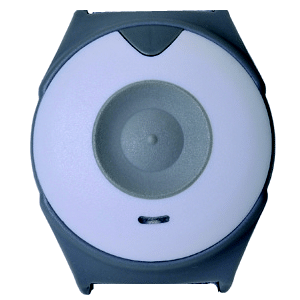
Why the wearable device and base unit are different
With a home system, you wear the alarm button while the base unit stays in its appropriate installed position. The button sends a signal to the base unit, which connects to monitoring. A water-resistant pendant does not make the mains-powered base unit suitable for a wet bathroom.
Plan the connection and the wearing routine separately. Keep electrical equipment and charging accessories positioned and used according to their instructions. Ask TASK Connect if you are unsure where the base unit should go.
Which TASK Connect alarms support shower use?
The following reflects product information checked on 20 October 2026. Use the instructions for your supplied model if it differs from the equipment shown online.
| Device | Published water-resistance information | What to remember |
|---|---|---|
| Standard home alarm button | IP67; described as suitable for the shower. | The button must remain within range of the home base unit. |
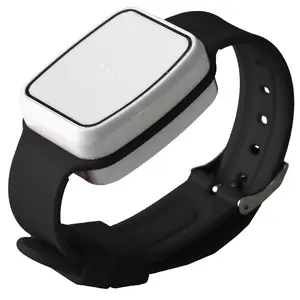
| Vibby fall detector | IP67; described as suitable for the shower. | Wear on the wrist as instructed and use the manual button if help is needed. |
| Go Watch | IPX8; described as suitable for normal shower use. | Follow care and charging instructions for the watch and dock. |
Does “waterproof” mean it can be used anywhere in water?
No. A water-resistance rating is not an unrestricted promise for every temperature, water pressure, liquid or activity. Do not treat a rating as permission to swim, use a sauna or leave a device immersed for an extended period. Ask about the activity you actually have in mind.
Also check the strap, neck cord and any accessories. A device may need particular cleaning or drying care. Use the recommended method and ask before applying cleaning products. A damaged casing or loose seal needs attention even if the original specification allowed shower use.
Check bathroom coverage as well as water resistance
A shower-suitable button still needs a working route to monitoring. Test home alarm coverage in the bathroom following the supplied setup instructions. Walls, the room layout and base-unit placement can affect wireless communication.
Ask how two-way speech works. A home alarm’s speaker is in the base unit, so pressing a wearable button does not mean speech comes through that button. Discuss the response arrangements if the wearer cannot be heard clearly from the bathroom.
Make the wearing routine practical
Choose a comfortable, approved wearing position and keep the button accessible. A wrist-worn button may suit one person, while another prefers a pendant. Avoid changing cords, straps or fittings in ways the supplier has not approved.
If you use a rechargeable watch, decide when it will be charged and when it will be returned to your wrist. Check the charging instructions before putting it back on its dock after washing. The best routine is one the wearer can manage consistently.
Will automatic fall detection cover every bathroom fall?
No. A fall detector can miss an event that does not meet its detection criteria. Feeling unwell, needing assistance getting up or slipping without a recognised fall may still require a manual button press. Press for help whenever you need it and are able to do so.
Our fall detector versus pendant guide explains the distinction. An alarm can provide a route to assistance, but it does not remove bathroom hazards or replace any support the person needs.
5 essential checks for personal alarms in the shower
- Is this exact model approved for shower use?
- Does the strap or neck cord have any restrictions?
- How should it be cleaned, dried and charged?
- Has coverage been tested in my bathroom?
- What should I do if the casing or fittings are damaged?
For independent background on choosing equipment and support, read the NHS guide to personal alarms and telecare. Always follow the water-use instructions for your exact device.