
Choosing Emergency Contacts and Keyholders for a Personal Alarm
Personal alarm keyholders are nominated people who may be contacted when the alarm user needs assistance. A clear contact list and a practical way to access the home help make the response arrangements useful.
What is the difference between a keyholder and a contact?
A keyholder can provide or arrange access, for example by holding a working key. An emergency contact may be a relative, friend or another nominated person who can answer questions or help organise assistance. The same person can sometimes fulfil both roles.
Ask your provider how it records these roles. Do not assume that being listed as “next of kin” somewhere else automatically puts someone on the personal alarm account. Confirm the information supplied to the monitoring service.
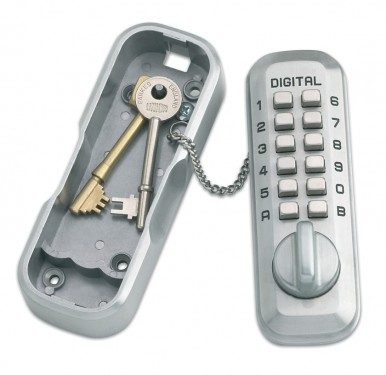
5 checks when choosing personal alarm keyholders
For personal alarm keyholders, distance matters, but availability and willingness matter too. A neighbour may live close by yet be away frequently. A relative may answer reliably but live too far away to attend promptly. Discuss actual routines rather than choosing on the basis of relationship alone.
- Agreement: have they agreed to be contacted?
- Availability: when are they usually reachable?
- Access: do they have a current key or another agreed method?
- Travel: can they realistically attend if asked?
- Understanding: do they know what to do if they cannot help?
The person using the alarm should help choose who is involved. Discuss any privacy preferences and tell the provider about the agreed arrangements.
Plan for holidays, work and unanswered calls
Ask the provider about backup contacts and how changes should be reported. A list is stronger when it reflects different people’s availability, rather than several numbers belonging to people who are away together.
Tell personal alarm keyholders and other contacts to respond honestly if they cannot attend. They should not assume another relative has already taken responsibility. TASK Connect’s monitoring team uses the response information held on the account; the action taken depends on the situation and agreed procedures.
What information should you prepare?
| Information | What to check |
|---|---|
| Names and numbers | Confirm spelling and that each number belongs to the intended contact. |
| Availability | Explain relevant limitations and periods away. |
| Address | Make sure the alarm user’s current address and any important access details are correct. |
| Access arrangements | Confirm that keys work and any approved code information is current. |
| Updates | Know how to contact the provider when the arrangement changes. |
Supply the information requested through TASK Connect’s telecare customer information form or the process advised by the team. Do not put private contact or access details in public website comments.

Does every household need a key safe?
Not every household uses the same access method. A key safe can make a key available to authorised people, while another household may use nearby keyholders. Discuss what would happen if the alarm user could not open the door.
Follow fitting and operating instructions for the chosen key safe. Check that an appropriate key is inside and update agreed information if a code or lock changes. A key safe does not provide a responder by itself; it supports an access plan.
What should a contact do when called?
Listen carefully, explain whether you can assist and follow the instructions given by the monitoring team or emergency services. If you cannot attend, say so promptly. Do not assume the role includes lifting someone after a fall or undertaking care tasks you are not able to carry out.
Being an emergency contact is not a guarantee that every activation will result in the same action. Read about TASK Connect’s monitoring response and clarify questions during setup.
When should personal alarm keyholders be reviewed?
Review it when phone numbers change, a contact moves, somebody goes away or the alarm user changes address. Also check it if a person can no longer fulfil the role. Keep the provider informed as well as the family.
If relatives live at a distance, our family-contact alarm guide explains how professional monitoring fits alongside nominated people. A realistic, current plan is more useful than an ambitious list that nobody has agreed to.
For independent background on monitoring and home access, see the NHS guide to personal alarms, telecare and key safes.